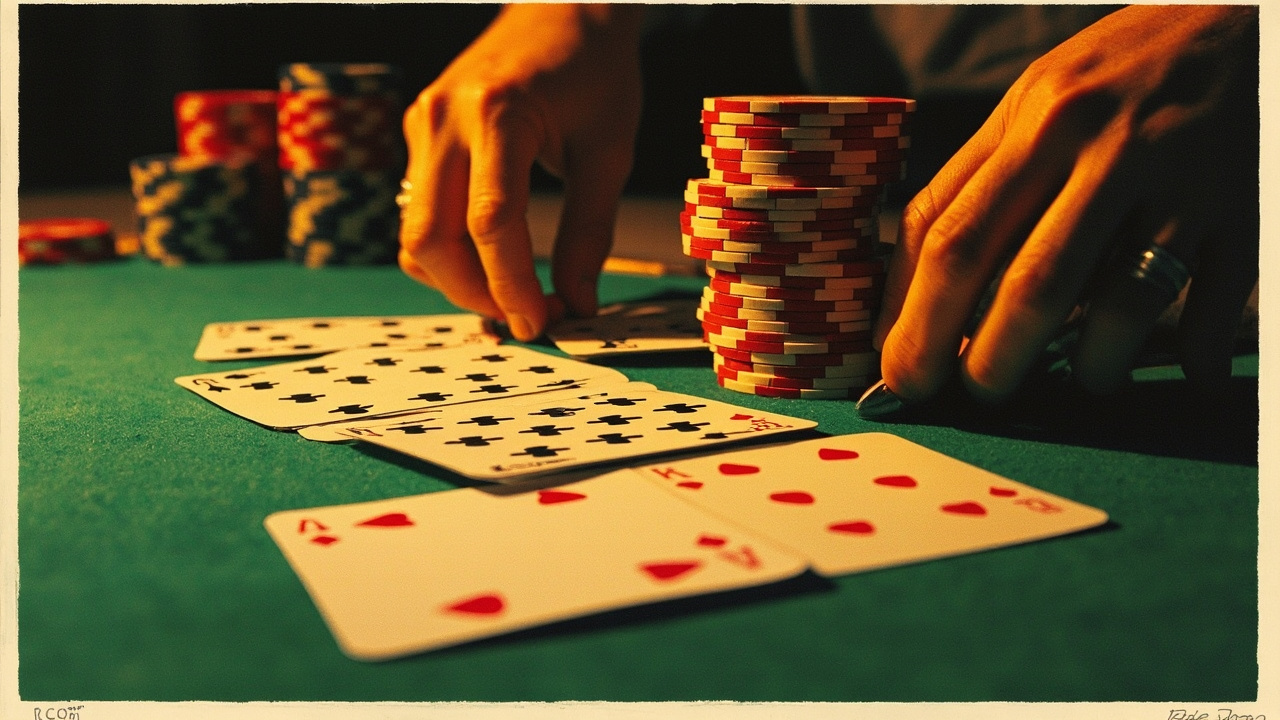
I spent a morning in Darwin watching the heat shimmer off ozwinfreechip.com the bitumen, thinking about how often players confuse luck with skill. Video poker jacks or better strategy is less about chasing a big payout and more about trimming the house edge through disciplined hold decisions. That distinction matters when you are sitting at a machine that pays back differently depending on every card you choose to keep.
When I brought the Independent Gaming Pty Ltd board up to speed on supplier strategy last quarter, I compared a well-structured video poker table to a properly balanced croupier deck - both reward patience and punish impulse. The croupier term originally described a rider seated behind another on a horse, which is a useful reminder that good play often means letting the hand develop rather than forcing it. We treat commercial oversight as a matter of setting clear boundaries, and the same logic applies when a player maps out which pairs to hold and which discards to take.Мобильный casino spin: как оценить ThePokies.net
How a Jacks or Better Approach Fits Certain Australian Sessions

A journalist asked me last week how a Darwin local should think about video poker jacks or better strategy when the afternoon heat keeps them indoors. I told them the priority is understanding paytables before touching a single card, because the return differential between a 9/6 and a shorter-paying machine changes the entire maths. You can read the payout grid in under a minute, and that small habit separates a session built on informed choices from one built on guesswork. Localisation matters too: the interface should display Australian dollars clearly, use familiar terminology, and keep the navigation flat enough that you are not hunting for the paytable while the hand is already moving.
I also pointed out that a mobile view needs to keep the hold buttons large enough for a thumb, because squinting at a compressed grid during a busy arvo is a recipe for misreading a three-of-a-kind. When you can register with a straightforward form, verify your details once, and load a balance in AUD without wrestling with currency conversion, the game itself becomes the focus rather than the platform. That is the kind of everyday usability I look for when I assess a supplier’s commercial fit, and it is why I keep returning to the same principle: the product should disappear into the background while the strategy stays in front of you.
Reading Paytables and Holding Decisions
The first real step is learning to read the paytable without assuming every machine pays the same way. You should start by checking the full payout grid, then note whether the top hand pays proportionally to the bet level you have selected. Once you have that baseline, the hold decisions become a matter of probability rather than hope. Here is the process I walk players through when they want to build a repeatable routine:
- Identify the paytable structure and confirm the full-pay return before you commit any credits.
- Map every possible hold against the expected value of the resulting draw.
- Prioritise four-to-a-flush and four-to-a-straight draws when the payout schedule supports them.
- Hold a low pair over a four-card straight when the maths favours the pair.
- Keep a high card only when no stronger draw is available and the discard improves your odds.
- Reset your bet level to match the paytable you are actually playing, not the one you saw elsewhere.
That sequence sounds mechanical, but it is really about removing emotion from the draw. I have seen operators present video poker as a flashy alternative to slots, and that framing does players a disservice because the real edge comes from repetition and discipline. When a platform keeps the paytable visible on every screen and lets you adjust your bet without burying the option in a submenu, you can actually apply the strategy instead of fighting the interface.
Mobile Play and Localised Usability
A second journalist note landed in my inbox asking whether mobile play changes the strategy itself, and my answer was that it changes the conditions around it rather than the maths. I have overseen commercial reviews where the mobile build was technically fine but the localisation was sloppy, and that kind of oversight costs players time they should spend on hold decisions. A properly localised product shows AUD balances without hidden conversion steps, uses clear language that does not feel translated at the last minute, and keeps the search or game-finder function close to the top of the screen.
I mentioned that a Darwin player should be able to open the same game on a phone and see the same paytable layout they would see on a desktop, because switching devices should not mean relearning the interface. Support should be reachable without digging through three menus, and loyalty rewards ought to be transparent about how points accumulate rather than hiding the rules behind vague promises. None of that is glamorous, but it is exactly the kind of commercial oversight I apply when I weigh a supplier’s fit for a portfolio. When the platform handles those basics cleanly, you can focus on the draw instead of the design.
Responsible Play and the Reality of Variance
The conversation always comes back to discipline, because chasing losses is a hallmark warning sign of gambling harm, and no strategy can erase variance. I tell players that a solid video poker jacks or better strategy reduces the house edge over time, but it does not guarantee a winning session, and it certainly does not make a poor paytable worthwhile. If you are sitting in Darwin with a fixed budget for the evening, the smartest move is to decide your stop point before the first hand is dealt and treat that limit as non-negotiable.

I also remind people that the same commercial discipline I use when I review supplier terms applies to a player’s bankroll: set a clear ceiling, track what you actually spend, and walk away when the session stops being deliberate. A well-built product will not pressure you with misleading prompts or obscure the rules, and that matters because the environment around the game shapes the decisions just as much as the cards do. When you combine a clear paytable, a readable interface, and a personal limit that you actually respect, the strategy becomes a framework for controlled play rather than a promise of anything guaranteed.https://dog-house-megaways-au.com